
The Second Day: What Holy Saturday Teaches Us About Waiting on God’s Promises
As Christians around the world mark Good Friday and prepare to celebrate Resurrection Sunday, there is a day that often gets overlooked; Saturday. The second day. The day in between. The day after the crucifixion and before the resurrection. The day when, by every natural indication, the story appeared to be over.
It is the second day that may have the most to say to the people of God right now.
Jesus had already told His disciples what was coming. In Matthew 16:21, He stated that He must go to Jerusalem, suffer at the hands of the chief priests and elders, be killed, and be raised on the third day.
And then came Good Friday.
He was mocked, spat upon, and nailed to the cross. He was jeered by the very people He came to save. He bore the full weight of sin and, after crying out “It is finished,” gave up His spirit. His body was placed in a tomb, a stone was rolled across the entrance, and guards were posted to secure it.
Saturday arrived to silence.
No sign of Jesus. No miracle in sight. Just the unbearable feeling of a promise that had not yet come to pass, along with the worry and for some, even the belief, that it might not.
For the disciples, that Saturday must have felt like the end of everything. The one they had followed, believed in, and surrendered their lives to serve was gone. And He had not yet risen.
But that second day didn’t represent the failure of the promise, rather the certainty of it.
Because He had already spoken. Because the word had already gone forth. The second day was not proof that the resurrection would not happen. It was proof that it would. If there was no promise to manifest, there would be no reason to wait. Indeed, the waiting itself was confirmation that something was coming.
The same principle applies to the lives of God’s people today.
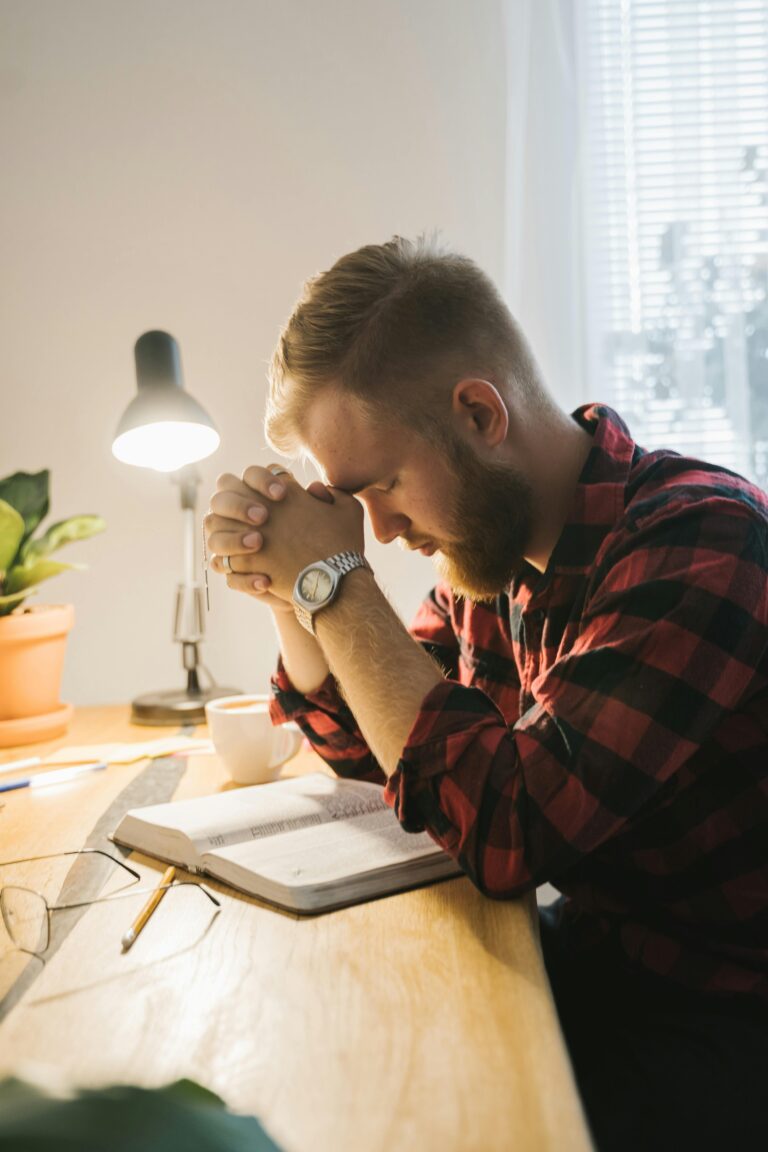
Many believers currently find themselves living in their own second day; not at the exact moment of their crisis, but not yet at their breakthrough either. The difficult thing has already happened. Countless prayers have already been prayed. God has already spoken the promise. And now comes the in-between, the waiting room, the limbo.
That space, without the right perspective, can become a place of utter despair. The absence of movement can feel like the absence of God. The silence can be mistaken for abandonment.
But scripture tells a different story.
Habakkuk 2:3 says “For the vision is yet for an appointed time; but at the end it will speak, and it will not lie. Though it tarries, wait for it; because it will surely come.” The delay is not a denial. The waiting period is not wasted time. And the second day, however heavy it feels, is not the final word.
Romans 8:28 says that all things, including the painful ones, work together for the good of those who love God and are called according to His purpose. That includes the second days. and the seasons of silence. That includes every moment when the natural eye sees nothing and faith is the only thing left to stand on.
The invitation, then, is not to deny the pain of the second day, but to reframe it. Feeling the weight of waiting is not a failure of faith. Even Jesus, in the Garden of Gethsemane, brought the full weight of what He was facing before the Father and then surrendered it.
“Not as I will, but as You will”
Matthew 26:39.
The model He left is one of honesty before God, followed by trust in His timing.
What the second day cannot afford to become is a permanent dwelling place. Psalm 30:5 reminds believers that weeping may endure for a night, but joy comes in the morning. The night season can get really dark. The weeping is valid. Still, morning is also promised and it is coming.
Indeed, it shall.
For those who find themselves somewhere between their own cross and resurrection; between the devastating situation that happened and the breakthrough they are still waiting on, the second day carries a message worth holding onto.
Because there is a Saturday, Sunday is guaranteed. For His Word will not return to Him void.